Cat Face Embroidery Design Review
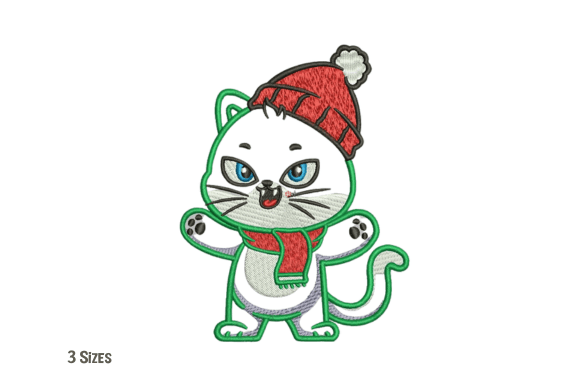
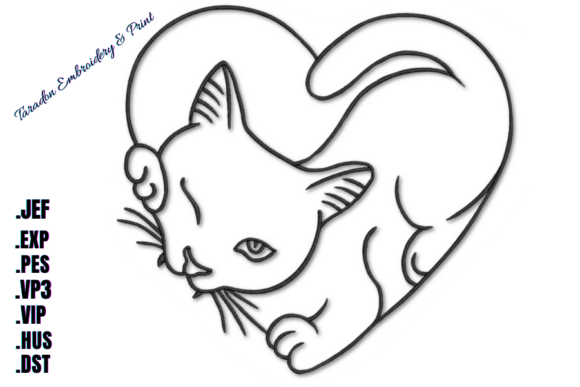
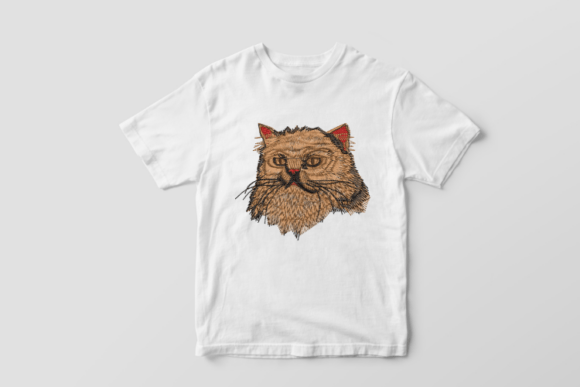
If you are preparing for a weekend craft fair, setting up an Etsy shop, or looking to expand your handmade product line, the visual impact of your design is everything. As an experienced embroidery designer, I spend a lot of time judging files not just on how they look on screen, but on how they translate to physical products that customers will actually buy. Today, I am reviewing the Cat Face Embroidery Design. This adorable design features the delicate details of a cat’s face, complete with expressive eyes, whiskers, and a playful expression. It sounds simple, but in the world of machine embroidery design, simplicity can be a powerful selling tool if executed correctly.
First Impressions and Visual Appeal
When I first look at the description of this Cat Face Embroidery Design, my immediate thought is about charm and approachability. The mention of "delicate details" and "expressive eyes" suggests a design that leans towards cute, modern, and perhaps a bit farmhouse or rustic, depending on your thread choice. For a craft fair booth, you want something that stops people in their tracks. A cat face is universally loved; it triggers an emotional response that abstract patterns often miss. This isn’t just a handmade product; it is a piece of personality.
The design feels versatile enough to work as a soft accent or a bold focal point. However, because it highlights "whiskers" and "eyes," we need to consider clarity. If the design is too small, those delicate lines might merge into a blob. But if sized correctly, it offers high visual appeal and strong customer attention. It photographs beautifully for online listings, creating a sense of warmth and quality that translates well to printable mockups and social media marketing.
Product Applications: Where Does It Shine?
One of the biggest questions for any Etsy seller or boutique maker is, "What do I put this on?" The beauty of the Cat Face Embroidery Design is its adaptability. Here is how I see it performing across different categories:
- Tote Bags and Market Bags: A classic choice. Placing a single, centered cat face on a canvas tote creates a clean, minimalist look. Alternatively, a cluster of smaller faces along the side seam adds a playful touch. This is a staple tote bag design that sells year-round.
- Apron Embroidery: Kitchen aprons are perfect for this design. The cat face fits naturally near the chest area, adding a touch of homey comfort. It appeals to cooks who love cats, making it a great gift item.
- Tea Towel Embroidery: Linen or cotton tea towels provide a smooth surface that allows the "delicate details" of the whiskers to shine. This is a low-cost entry point for customers, making it an excellent impulse buy at a craft fair.
- Embroidered Patch: Creating a standalone patch with a neat border allows for maximum versatility. Customers can sew or iron it onto jackets, hats, or backpacks. This expands the reach of your digital embroidery file beyond just home goods.
- Caps and Beanies: Curved surfaces require careful testing. A cat face works well on the front panel of a baseball cap or the cuff of a beanie. Just ensure the hoop size accommodates the curve without distortion.
- Fabric Pouches and Pillow Covers: Small zippered pouches for makeup or pens are trendy. A tiny cat face adds character without overwhelming the item. On pillow covers, it serves as a decorative element that invites touch.
Practical Selling and Production Points
From a production standpoint, efficiency is key for profitability. The Cat Face Embroidery Design seems to have a balance of detail and open space, which usually means moderate run times. This is crucial for batch production. You don’t want a design that takes twenty minutes to stitch when you could be producing three simpler items in that same time.
For commercial embroidery businesses, repeatability is vital. This design feels consistent and reliable. It doesn’t rely on complex color changes that might cause thread breaks or tension issues. When photographing these items for your shop, the contrast between the thread colors and the fabric texture will make or break the listing. Ensure your lighting highlights the sheen of the threads and the depth of the stitches.
As a small shop product, this design helps build brand consistency. If you use similar color palettes (like muted pastels or earth tones) across your tote bags, aprons, and patches, you create a cohesive look that professional buyers appreciate. It signals that you pay attention to detail, which justifies a higher price point.
Important Considerations for Clarity and Quality
While the design sounds charming, there are technical aspects you must manage to ensure the final product looks premium. The description mentions "delicate details," which brings up concerns about stitch density and tiny elements.
- Small Details and Whiskers: Thin lines representing whiskers can sometimes get lost in thick fabrics or textured towels. Test the design on your actual product materials. If the fabric is too coarse, the fine lines may disappear. Conversely, if the fabric is too slippery, the needle might pull the material, distorting the face.
- Hoop Size and Placement: Confirm the recommended hoop size for this design. If you are embroidering on a curved cap, you need a specialized hoop or a free-motion technique to avoid puckering. Incorrect placement can ruin the symmetry of the eyes.
- Thread Contrast: Choose thread colors that pop against your fabric. Dark thread on dark fabric will hide the delicate eyes. Light thread on light fabric might lack definition. Always check thread contrast before starting a large batch.
- Stabilizer Selection: Using the right stabilizer is non-negotiable. For stretchy knits like caps, use cut-away stabilizer to prevent shifting. For woven cottons like aprons, tear-away might suffice, but hooped tear-away offers better stability for detailed work.
Designer’s Checklist Before Production
Before you commit to printing labels or heading to the market, follow this practical checklist to ensure your Cat Face Embroidery Design performs flawlessly:
- Test on Scrap Fabric: Never go straight to the finished product. Stitch the design on scraps of the exact fabric you plan to sell. Check for puckering, thread tension, and clarity of the whiskers.
- Review Spacing: Ensure the design fits comfortably within your chosen product dimensions. A cat face that is too close to the edge of a tote bag handle might get damaged during use.
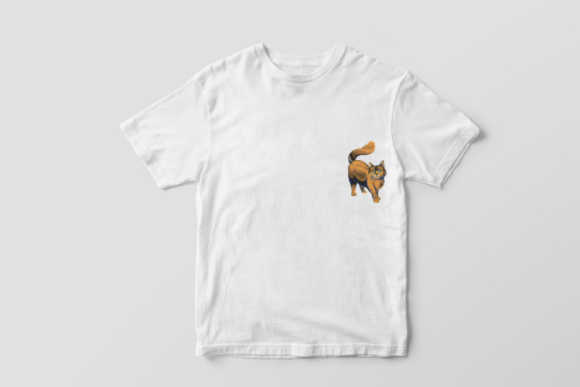
- Create Real Mockups: Produce at least one real sample. Take photos in natural light. Does it look as good in person as it does on your computer? This step helps you identify any issues with thread colors or finish quality.
- Confirm Licensing: If you plan to sell these items commercially, verify the commercial licensing terms of the design assets. Most reputable sellers allow commercial use, but some restrict the number of units or require specific attribution. Protect your business by reading the fine print.
- Compare Fabric Colors: Different white fabrics have different undertones (blue-white vs. cream). Test your thread choices on various shades to ensure the cat face remains visible and appealing across your inventory.
Final Verdict
The Cat Face Embroidery Design is a strong contender for any crafter’s library. It combines emotional appeal with practical production value. It works beautifully as a crafter product for markets, a staple for embroidery crafters looking to diversify their offerings, and a reliable asset for digital sellers creating printable mockups. By paying attention to stitch density, fabric texture, and proper stabilization, you can turn this simple design into a best-selling item that captures the hearts of cat lovers everywhere. Remember, in the handmade world, it is not just about the image; it is about the execution. With careful planning, this design has the potential to become a signature piece in your collection.