Christmas Faux Embroidery Deer Tumbler
As an embroidery designer who has spent years refining digitizing techniques for boutique apparel, I approach every new digital asset with a mix of excitement and skepticism. The market is flooded with AI-generated graphics, but the true test lies in how well they translate to thread on fabric. Recently, I evaluated the Christmas Faux Embroidery Deer Tumbler design, originally categorized under Tumbler Wraps and Graphics, with the specific intent of using it for a premium sweatshirt collection for a small online shop. This review breaks down whether this machine embroidery design holds up under the scrutiny of commercial production or if it remains strictly a decorative digital asset.
First Impressions: Mood and Visual Personality
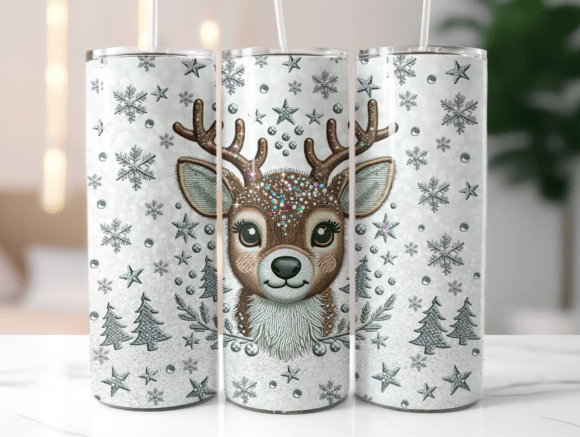
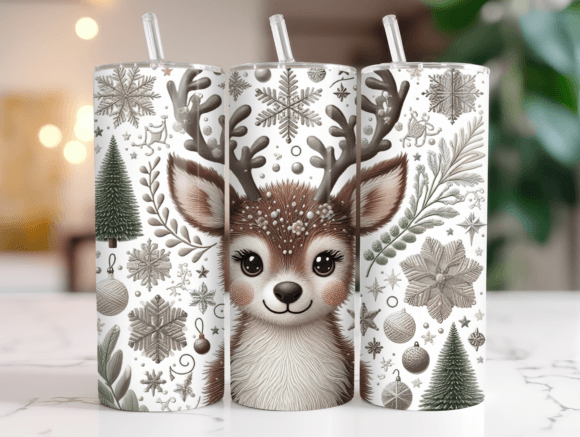
The immediate appeal of the Christmas Faux Embroidery Deer Tumbler lies in its ability to mimic the texture of traditional stitching without the initial commitment of manual digitizing. The title suggests a rustic yet playful aesthetic, which is currently trending heavily in the handmade community. When viewing the preview, the design exudes a cozy, festive mood that feels both cute and boutique brand appropriate. It avoids being overly childish, instead opting for a sophisticated minimalism that works well for adult audiences.
The layout appears balanced, likely wrapping around a cylindrical surface as intended for tumblers, but the core elements—the deer motif and accompanying festive details—are distinct enough to be isolated for apparel use. For a small business owner looking to create a cohesive seasonal drop, this embroidery file offers a strong visual anchor. It feels decorative without being cluttered, striking a balance between bold and subtle that is often difficult to achieve in holiday-themed designs.
Application on Sweatshirts and Hoodies
While the product description highlights its utility for tumbler wraps, the real value for my target audience—apparel decorators and Etsy sellers—is its versatility on garments. I envision this design performing exceptionally well on neutral sweatshirts. The contrast between a soft heather grey or cream fabric and the implied rich colors of the deer design would create a high-end look.
- Dark Fabric: On black or navy hoodies, the faux embroidery effect can pop vibrantly, provided the thread colors are chosen carefully. The design’s inherent brightness helps it stand out against dark backgrounds, making it ideal for evening wear or night-out casual styles.
- Pastel Colors: For a softer, more feminine approach, placing this on blush pink or mint green oversized hoodies creates a dreamy, wintery vibe. The fabric texture of French terry or fleece complements the "faux" stitch look, enhancing the tactile appeal of the finished product.
- Chest Placement vs. Back Design: While the wrap format suggests a full-coverage application, the central motif could be resized for a classic left-chest placement. Alternatively, scaling it up for the back of a hoodie allows the design to serve as a statement piece, perfect for lifestyle product photography.
Sleeve Accents and Boutique Merchandise
Beyond the main body, smaller iterations of the deer graphic from the Christmas Faux Embroidery Deer Tumbler set could serve as excellent sleeve accents. A small, repeated pattern near the cuff adds a detail-oriented touch that discerning customers appreciate. For boutique merchandise, such as matching family sets or gift bundles, this custom apparel element ties the collection together visually.
Technical Evaluation: Thread Density and Stitch Quality
From a technical standpoint, the success of any digital embroidery file depends on how it handles stitch density and edge definition. Since this is an AI-generated and Photoshop-enhanced graphic, it is crucial to remember that it may not come pre-digitized with optimal stitch types. As a designer, I must assess whether the image can be effectively converted into machine-readable code.
The "faux" aspect implies a simulated texture. In reality, this means we need to select appropriate thread colors to replicate that depth. Satin stitches for outlines and fill stitches for the body will help achieve the premium look. However, because the original source is a graphic, the hoop size and dimensions are not fixed. This flexibility is a double-edged sword; it allows for creative sizing but requires careful planning to ensure the design does not become too large for standard hoops or too small for readability on children’s sizes.
Stabilizer and Fabric Considerations
When applying this to sweatshirts, the choice of stabilizer is paramount. Heavyweight cut-away stabilizer is necessary to support the weight of the threads and prevent puckering on the thick cotton-poly blend typical of quality hoodies. The fabric texture of sweatshirts can sometimes obscure fine details, so ensuring the design has enough negative space is key. If the deer’s antlers or facial features are too intricate, they may get lost in the pile of the fleece. Therefore, simplifying the inner details during the digitizing process might be required to maintain clarity.
Commercial Viability and Brand Identity
For the Etsy seller or small shop product creator, the question is always one of ROI and brand perception. Using a high-quality design asset like the Christmas Faux Embroidery Deer Tumbler can elevate the perceived value of a handmade product. Customers are increasingly educated about the difference between cheap prints and quality embroidery. By offering a design that looks handcrafted and detailed, you build buyer trust and reinforce a professional brand identity.
This design supports commercial embroidery opportunities beautifully. It is versatile enough to appear on tote bags, beanies, and socks, allowing for cross-selling within a single marketing campaign. The festive theme ensures relevance during the peak holiday shopping season, driving traffic through printable mockup previews and social media engagement. When customers see a consistent, stylish aesthetic across your handmade product line, they are more likely to return for future collections.
Practical Steps Before Production
Before committing to mass production, there are critical checks to perform. The listing notes that this is an instant download of a digital file, meaning you receive the graphic assets rather than a ready-to-sew .PES or .DST file. This requires an additional step: converting the graphic into a stitch file. You must verify the final hoop size constraints of your specific embroidery machine. Additionally, always run a test sample on scrap fabric to check for washing durability and colorfastness. Ensure that the thread colors you choose do not bleed onto the garment during the first wash, which could ruin the clean lines of the deer design.
Furthermore, while the design is described as enhanced with Photoshop, it is wise to manually adjust the vector paths or digitize over the image to remove any pixelation artifacts that might appear when scaled up for larger apparel prints. Attention to these details separates a amateur knock-off from a premium boutique item.
Final Verdict
The Christmas Faux Embroidery Deer Tumbler is a strong candidate for inclusion in a modern, cozy winter collection. Its aesthetic bridges the gap between rustic charm and contemporary minimalism, making it appealing to a broad demographic. For designers willing to invest the time in proper digitization and stabilization, this graphics package can transform into a standout finished product. It offers the visual impact needed to compete in crowded marketplaces like Etsy, provided the execution matches the promise of the digital preview. By treating it as a foundational design asset rather than a final product, creators can unlock its full potential for custom apparel branding.