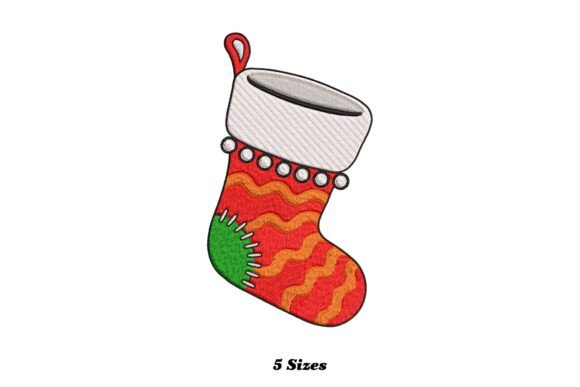
Christmas Socks Embroidery Design Review
As an embroidery designer who spends countless hours testing files before they ever reach a customer’s hoop, I approach every new download with a mix of excitement and skepticism. The market is flooded with holiday patterns, but few manage to strike that perfect balance between festive charm and practical stitchability. This week, I put the Christmas Socks Embroidery Design through its paces to see if it truly belongs in my studio’s library for personalized gift products. After running test stitches on various fabrics and imagining how this would look on finished goods, I have some strong thoughts on its potential.
First Impressions: Charm Meets Craftsmanship
The moment I loaded the file into my digitizing software, the mood of the design was clear. It isn’t just a generic holiday motif; it feels warm, inviting, and distinctly handmade. The visual appeal of the Christmas socks design lies in its nostalgic quality. It evokes memories of cozy winter evenings and the simple joy of receiving thoughtful gifts. For an Etsy seller or a small shop product creator, this emotional connection is invaluable. It doesn’t scream "holiday" in a loud, chaotic way; instead, it whispers comfort and tradition.
From a technical standpoint, the initial layout suggests a well-balanced composition. The detail level is high enough to be interesting but not so complex that it risks tangling during production. This is crucial for anyone producing items at scale. When you are fulfilling custom orders for personalized gifts, you need designs that run smoothly without constant supervision. The embroidery file appears to prioritize clean lines and readable shapes, which translates to a higher perceived value in the final handmade product.
Ideal Applications for Personalized Gifts
One of the most compelling aspects of reviewing a design like this is visualizing where it will live. The versatility of the Christmas Socks Embroidery Design makes it an excellent candidate for a wide range of categories. Here is how I see it performing in real-world scenarios:
- Baby Embryodery and Nursery Decor: There is something inherently sweet about pairing holiday motifs with baby items. Imagine this design stitched onto a soft muslin swaddle or a plush blanket. It serves as a memorable keepsake for parents, capturing the first Christmas their child experienced. The gentle aesthetic fits perfectly within modern nursery themes.
- Kitchen Towels and Table Linens: For the home cook, an embroidered towel adds a touch of personality. The Christmas Socks design works beautifully on white or cream cotton towels. It elevates a standard kitchen item into a custom embroidery piece that guests will notice and appreciate during holiday gatherings.
- Wedding Gifts and Keepsakes: While it may seem unconventional, unique embroidery can make for standout wedding favors. Small tote bags or pillow covers featuring this design could serve as thank-you gifts for bridal party members. It offers a commercial embroidery opportunity that stands out from traditional candles or soaps.
- Pillow Covers and Home Décor: A throw pillow with this design adds seasonal flair to a living room sofa. Because the design likely has a defined shape, it anchors well on square or rectangular pillows, creating a focal point that complements other holiday decor.
- Custom Tote Bags: For the Etsy seller looking to create practical yet festive items, canvas totes are a staple. This design fits neatly on the front panel, offering a cheerful surprise when the bag is opened or carried around town.
Strategic Considerations and Fabric Constraints
While the design is charming, no professional embarks on a production run without considering the limitations of fabric and technique. Not every surface is suitable for this specific pattern, and understanding these nuances is key to maintaining customer trust.
First, consider the fabric texture. Thick terry cloth towels can sometimes obscure fine details. If the design includes small lettering or delicate accents, you must ensure your stitch density is appropriate for the pile of the towel. Conversely, on smooth fabrics like flannel or cotton blends, the design will pop with clarity. Be cautious with stretchy baby clothes; unless you use a heavy-duty stabilizer, the tension might distort the sock shape, leading to a wavy, unprofessional finish.
Dark fabrics present another challenge. If you plan to embroider this on navy or burgundy materials, you will likely need a cut-away stabilizer and possibly a top mesh to prevent the thread from sinking into the weave. Always compare light and dark fabric mockups before listing the item. A design that looks crisp on white might lose its definition on black without proper underlay stitching.
Additionally, avoid placing this design on curved surfaces like the shoulders of a sweater or the rounded edge of a hat. The flat, structured nature of the sock motif works best on stable, planar surfaces. If you attempt to contour it to a complex curve, the geometry may break down, resulting in puckering or misaligned elements.
Enhancing Giftability and Perceived Value
In the world of online selling, photography is everything. A well-executed embroidery design significantly boosts the product photography potential. The Christmas Socks Embroidery Design provides a natural prop for styling. Pair it with pinecones, cinnamon sticks, or hot cocoa mugs in your photoshoots to create a lifestyle image that resonates with buyers.
This attention to detail directly impacts customer trust. When a buyer sees a sharp, clean stitch job on a listing, they assume the entire order will be of similar quality. It signals that the seller cares about craftsmanship. Furthermore, the "personalized" aspect allows customers to add names or dates, transforming a mass-produced concept into a unique finished product. This customization drives engagement and reduces return rates, as customers feel a stronger emotional attachment to the item.
Practical Production Notes for Success
Before you start fulfilling orders, there are several technical steps you must take to ensure consistency. First and foremost, always test on scrap fabric using the exact materials you plan to sell. What works on one brand of cotton might fail on another due to differences in weave tightness.
Check your thread colors carefully. Red and green are classic, but subtle variations in shade can change the entire vibe of the design. Ensure your spools match your digital preview. Confirm the hoop size required by the file to avoid unnecessary trimming or re-hooping, which increases labor time.
Review the stitch density in your software. If the design is too dense for lightweight fabric, it may become stiff and uncomfortable. Adjust the settings if your software allows, or select a lighter stabilizer to compensate. Remember to check for any small details after stitching; sometimes, what looks good on screen can get lost in the thread if the needle gauge is incorrect.
Finally, verify your commercial licensing terms. Just because you purchased the digital embroidery file does not automatically grant you the right to sell unlimited quantities of the finished goods. Read the license agreement thoroughly to understand any caps on production runs or restrictions on resale platforms.
In conclusion, the Christmas Socks Embroidery Design is a strong contender for any maker looking to expand their holiday inventory. Its blend of nostalgia, versatility, and technical feasibility makes it a smart investment. By testing thoroughly and marketing it effectively, you can turn this simple design into a beloved seasonal staple for your customers.