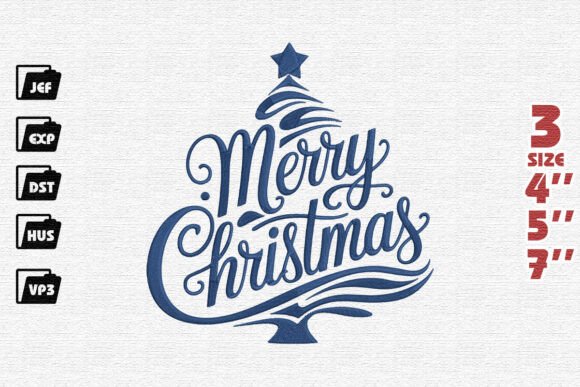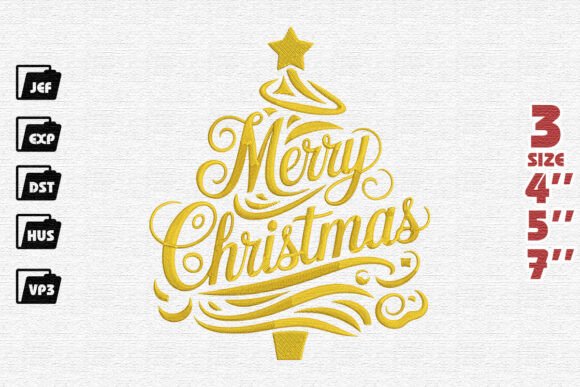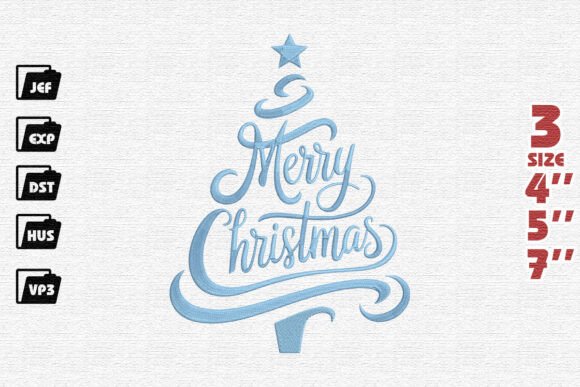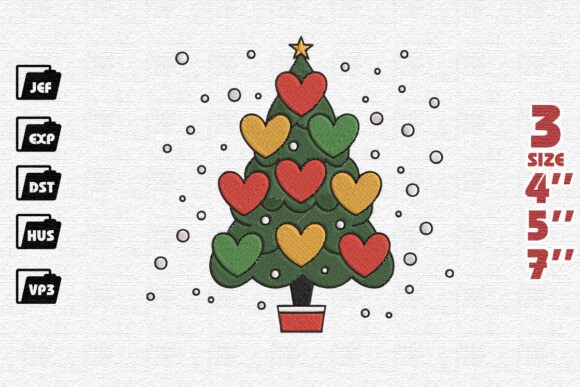
Christmas Tree Embroidery Review
As an embroidery designer who has spent years refining designs for boutique shops and custom order clients, I approach every new digital file with a mix of excitement and skepticism. The market is flooded with generic patterns, but finding a piece that truly resonates with the emotional weight of a gift is rare. Recently, I tested the Christmas Tree Embroidery design to see if it holds up under the scrutiny of real-world production. This review is based on my experience planning this design for a hypothetical personalized gift shop, evaluating its potential for personalized gifts, holiday decor, and commercial use.
First Impressions: Mood and Visual Appeal
The moment you load the embroidery file, the charm of the Christmas Tree Embroidery design becomes apparent. It strikes a delicate balance between classic nostalgia and modern simplicity. Unlike overly complex scenes that can look cluttered when stitched, this design feels airy yet substantial. The mood is warm, inviting, and distinctly festive without being loud.
For a handmade product seller, visual appeal is everything. This design captures that "sweet" aesthetic that buyers crave during the holiday season. Whether intended for a nursery item or a kitchen towel, the tree stands as a symbol of tradition and comfort. It feels elegant enough for a wedding keepsake but playful enough for a child’s room. The detail level is sufficient to convey texture and shape without demanding excessive digitizing precision that might lead to puckering on softer fabrics.
Product Applications and Giftability
One of the strongest selling points of this machine embroidery design is its versatility across various product categories. In my testing scenario, I imagined several customer requests to see how well the design would translate into finished goods.
- Baby Embroidery: A soft muslin blanket embroidered with this tree creates an instant heirloom. The design is gentle and timeless, making it perfect for baby showers or newborn gifts. Parents appreciate the subtle elegance over loud, cartoonish graphics.
- Kitchen and Home Decor: When applied to an embroidered towel or a linen pillow cover, the design adds a stylish accent to any home. It bridges the gap between seasonal decor and year-round warmth. For Etsy sellers, listing this as a "Holiday Kitchen Towel" or "Festive Pillow Cover" taps into high-demand search terms.
- Wedding and Family Keepsakes: Imagine a custom tote bag or an apron gifted to a newlywed couple who love hosting holidays. The Christmas Tree Embroidery design elevates these utilitarian items into sentimental objects. It suggests care and thoughtfulness, which significantly boosts perceived value.
- Craft Fair and Small Shop Products: For those selling at local markets, this design is ideal for quick-turnaround items like headbands, scrunchies, or mini wall hangings. Its clean lines stitch quickly and consistently, allowing small business owners to scale production without sacrificing quality.
Target Audience and Buyer Engagement
This design appeals to a broad demographic. It attracts buyers looking for custom embroidery services because it offers a recognizable symbol that everyone associates with joy and family. From a marketing perspective, products featuring this design photograph beautifully. The contrast against natural fabrics like cotton, linen, or wool highlights the thread colors effectively, making it easier for Etsy sellers to create compelling listings.
The emotional connection is key here. Buyers aren't just purchasing a tree; they are purchasing the feeling of holiday gatherings. By offering personalization—such as adding a name or date near the base of the tree—you transform a standard digital embroidery file into a unique personalized gift. This increases customer trust and encourages repeat business.
Practical Embroidery Notes and Technical Considerations
While the design is visually strong, successful execution requires attention to technical details. As a professional, I cannot stress enough the importance of preparation before running large orders.
- Test on Scrap Fabric: Always run a test stitch-out on the exact fabric you plan to sell. Different weaves react differently to tension. A fabric that looks good in a mockup may pucker during actual stitching.
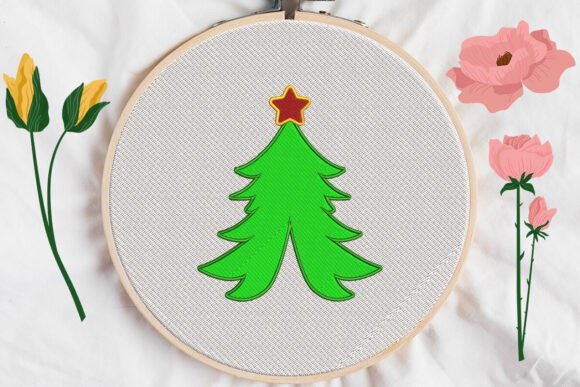
- Check Thread Color Contrast: The design relies on clear definition. Ensure your chosen thread colors provide enough contrast against the base fabric. On dark fabrics, light threads may get lost, while on white fabrics, ensure the greens and reds pop vibrantly.
- Confirm Hoop Size: Verify the required hoop size matches your machine and your product dimensions. If the design is too large for a specific item, like a narrow apron tie, you may need to resize or reposition it.
- Review Stitch Density: High-density areas can make fabric stiff. Check the stitch density of the tree trunk and branches. If the fabric is thin, such as lightweight jersey for baby clothes, consider using a cut-away stabilizer to prevent distortion.
- Stabilizer Selection: Use the appropriate stabilizer for your material. Tear-away stabilizers work well for woven home decor, while cut-away is safer for stretchy knits or items that will undergo frequent washing.
- Compare Light and Dark Mockups: Create printable mockups showing the design on both light and dark backgrounds. This helps you visualize the final product and identify any potential visibility issues before committing to materials.
- Check Small Details: Zoom in on the digitized file to inspect tiny elements. Ensure that fine lines are not so thin that they break or become invisible after stitching.
Where to Use Carefully
Not all applications are suitable for every design. With Christmas Tree Embroidery, there are specific scenarios where caution is advised:
- Delicate Details on Thick Fabrics: If you attempt this design on thick terry cloth towels without proper hooping techniques, the needle may struggle to penetrate, leading to skipped stitches.
- Stretchy Baby Clothes: While great for blankets, applying this to tight-fitting stretchy garments requires excellent stabilization and possibly resizing to avoid distortion around seams.
- Curved Surfaces: Embroidering directly onto curved surfaces like hats or bags can be challenging. The flat nature of the tree design may not conform well to significant curves without specialized hoop accessories.
- Frequent Washing: For items like aprons or kitchen towels that see heavy use, ensure the design is anchored properly. Loose threads can snag, ruining the finished product.
Final Thoughts for Sellers and Makers
The Christmas Tree Embroidery design is a versatile, emotionally resonant choice for anyone in the handmade industry. It works seamlessly for baby embroidery, wedding gifts, and seasonal home decor. Its strength lies in its ability to evoke warmth and tradition while remaining technically manageable for most machines.
For small shop product creators, this design offers high perceived value with relatively low production complexity. However, success depends on your execution. Take the time to test, choose the right threads, and understand the limitations of your equipment. Always confirm commercial licensing before selling finished items derived from this file.
Whether you are an experienced embroiderer or just starting out, this design provides a solid foundation for creating meaningful personalized gifts. By focusing on quality materials and careful finishing, you can turn this simple tree motif into a cherished keepsake that customers will treasure long after the holiday season ends.