Coffee Embroidery Design Review
As an embroidery designer who spends countless hours evaluating files for commercial viability, I approach every new digital asset with a mix of skepticism and creative excitement. When I first pulled up the Coffee Embroidery Design, my immediate thought was not just about the visual appeal, but about how it would translate to physical fabric. We are looking at a design that promises to add a "joyful and charming touch" to any project, which is a high bar to clear in today’s saturated market of handmade goods. For small clothing brands, Etsy sellers, and boutique owners, the difference between a sellable product and a stagnant inventory item often lies in the quality and personality of the embroidery file itself.
This review breaks down my professional assessment of the Coffee Embroidery Design specifically within the context of a premium sweatshirt collection. We will explore its aesthetic potential, technical feasibility, and brand alignment for creators looking to launch cozy, seasonal apparel.
First Impressions: Mood and Aesthetic Potential
The title alone suggests warmth, comfort, and ritual—three pillars of successful lifestyle branding. From a design perspective, the Coffee Embroidery Design appears to lean into a narrative that is both rustic and playful. In the world of machine embroidery, capturing "charm" without veering into cluttered or cheap-looking territory requires careful balance. Based on the description, this file seems to prioritize decorative elements that feel inviting rather than overly bold or aggressive.
When envisioning this on a garment, the design feels particularly suited for a feminine or unisex casual aesthetic. It avoids the stark minimalism of modern corporate wear, opting instead for a handcrafted vibe that resonates deeply with the handmade product community. The joyous nature of the motif suggests it works exceptionally well as a focal point on neutral tones. Imagine a heather grey crewneck or a soft oatmeal-colored hoodie; the design would pop with a gentle contrast, highlighting the texture of the stitches against the fleece. This is crucial for small shop product lines where tactile appeal drives purchase decisions.
Application on Premium Sweatshirts and Hoodies
Sweatshirt embroidery presents unique challenges compared to woven fabrics. The pile of the fabric can swallow fine details, and the thickness requires robust stitch planning. Here is how the Coffee Embroidery Design likely performs across different applications:
- Chest Placement: For a standard left-chest logo, this design strikes the right balance of visibility and subtlety. It acts as a signature mark for your boutique brand without overwhelming the wearer. On dark fabrics like charcoal or navy, the thread colors must be carefully selected to ensure readability. If the design relies on light threads, it will create a striking, high-contrast look that screams premium quality.
- Oversized Hoodies: The current trend favors oversized fits. A centered back design or a large chest graphic using this file could work beautifully. The "charming" aspect of the design allows it to serve as a statement piece on larger canvas areas, turning a basic hoodie into a conversation starter.
- Sleeve Accents: Smaller iterations of the design could be placed on the cuff or upper sleeve. This adds a layer of detail that discerning customers notice upon closer inspection, enhancing the perceived value of the finished product.
For pastel colorways—think lavender, mint, or baby blue—the design’s joyful mood aligns perfectly with spring and summer collections. It brings a sense of lightness that complements softer fabric textures.
Technical Evaluation for Commercial Use
As a designer, my job is to ensure the file translates seamlessly from screen to hoop. While I cannot verify the exact stitch count or specific hoop size requirements without inspecting the raw code, several practical concerns arise when applying a design described as adding a "joyful touch."
Stitch Density and Fabric Texture: Coffee-themed designs often involve circular shapes (cups, beans) or organic lines (steam, leaves). These shapes require consistent stitch density to avoid puckering on thick sweatshirt material. If the design is too dense, it may feel stiff and uncomfortable. If it is too sparse, it may lack definition. You must check the file’s underlay stitches to ensure they anchor the top stitching securely to the fabric texture of cotton blends or polyester fleece.
Thread Color Contrast: The success of this embroidery file hinges on thread selection. For a dark sweatshirt, using metallic or bright white threads can elevate the design from "craft fair" to "boutique." Conversely, on light fabrics, tonal stitching (e.g., cream thread on white fabric) can offer a sophisticated, subtle luxury look. Always test your thread colors against your actual blank garments before committing to a production run.
Stabilizer Choice: Sweatshirts require a sturdy cut-away stabilizer to maintain shape over time. Because this design is intended for apparel that will be washed frequently, durability is key. Ensure the design’s structure supports a heavy-duty stabilizer application to prevent distortion during laundering. This attention to detail builds buyer trust and reduces returns due to quality issues.
Brand Identity and Visual Recognition
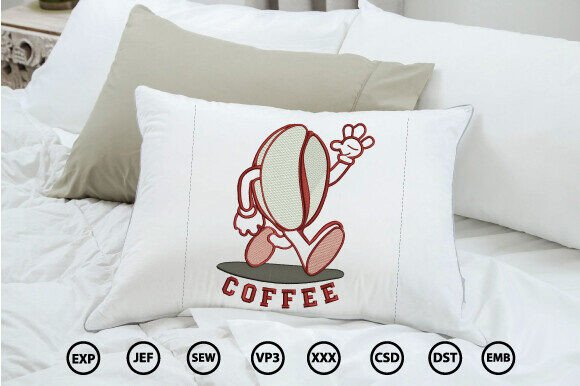
In the digital age, your embroidery design is also a marketing asset. The Coffee Embroidery Design lends itself well to printable mockup creation. Its charming aesthetic photographs beautifully, making it ideal for social media campaigns and Etsy listings. Customers engage more with products that tell a story; a coffee-themed design evokes morning routines, cozy reading nooks, and café culture. By integrating this design assets package into your custom apparel line, you are selling a lifestyle, not just a garment.
For Etsy sellers and digital sellers, versatility is money. The fact that this design includes nine formats means you can adapt it for various machines and projects. Whether you are creating commercial embroidery pieces for local clients or stocking your own online store, having multiple format options ensures compatibility and efficiency. This flexibility allows you to expand into accessories like tote bags or beanies, further diversifying your revenue streams.
Practical Considerations for Production
Before you load this file into your embroidery machine, there are critical checks to perform:
- Small-Size Readability: Test the design at 50% scale. Does the charm remain intact, or do the details blur together? If the design is intricate, it may need simplification for smaller placements.
- Washing Durability: Run a wash test on your sample pieces. Check for thread breakage, color fading, or fabric distortion. A premium handmade product must withstand repeated washing while maintaining its structural integrity.
- Hoop Placement: Ensure the design fits comfortably within your standard hoops without requiring awkward re-hooping, which can lead to misalignment. Proper hoop placement is essential for a clean, professional finish.
If the file specifications regarding license terms or exact technical data are unclear, always contact the creator or consult the documentation. Transparency with your customers about the quality and origin of your designs reinforces your reputation as a trustworthy creative entrepreneur.
Conclusion: Is It Worth Adding to Your Collection?
The Coffee Embroidery Design appears to be a strong contender for any brand looking to infuse warmth and personality into their apparel line. Its joyful and charming character makes it versatile enough for a wide range of tea-adjacent or general lifestyle products. Whether you are a seasoned pro or a beginner in the world of embroidery, this design offers the potential to create standout pieces that resonate with customers seeking connection and comfort.
By paying close attention to thread selection, stabilizer support, and fabric choice, you can transform this digital file into a tangible, high-value machine embroidery design that elevates your brand identity. For those building a small clothing brand or expanding an existing apparel decorator service, investing in high-quality, emotionally resonant designs like this one is a strategic move toward long-term customer engagement and sales growth.