Colorful Kite Embroidery Design Review
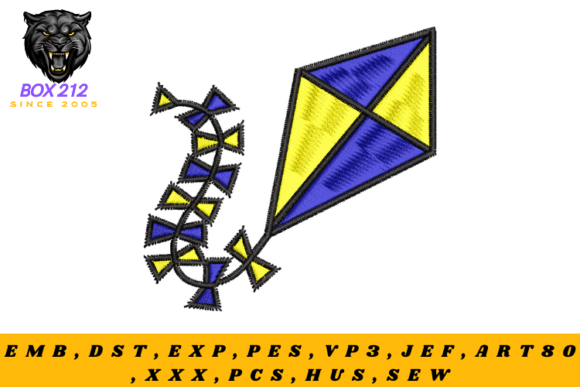
As an embroidery designer who has spent years translating digital concepts into tactile, wearable art, I am always on the lookout for designs that balance whimsy with structural integrity. When I first encountered the Colorful Kite Embroidery Design, my immediate reaction was one of cautious optimism. The description promises a cheerful pattern perfect for adding a touch of whimsy to children’s clothing and home decor, highlighting intricate details. But does it hold up under the scrutiny of commercial production? Can it stand out in a crowded marketplace like Etsy or a boutique apparel line? In this review, I will walk you through my professional evaluation of this design, specifically focusing on its application for a premium sweatshirt collection.
First Impressions: Mood and Aesthetic Analysis
The moment you load the file, the Colorful Kite Embroidery Design strikes a chord of nostalgia mixed with modern playfulness. Unlike many generic floral or geometric patterns, kites carry inherent narrative weight—they suggest freedom, springtime, and upward movement. For a small brand looking to create a cohesive seasonal drop, this thematic strength is invaluable. The "intricate details" mentioned in the product description are crucial here; they promise depth rather than flatness, which is essential for high-end handmade product presentation.
Visually, the design feels both bold and decorative. It is not minimal, nor is it overly rustic. Instead, it sits comfortably in the realm of playful femininity and cheerful casual wear. This versatility allows it to appeal to a broad demographic, from parents buying for their children to young adults seeking unique, statement pieces. The layout appears balanced, making it ideal for standard placements such as the left chest or center back, where it can serve as a focal point without overwhelming the garment’s silhouette.
Application on Sweatshirts and Hoodies
Sweatshirt embroidery presents a unique set of challenges compared to lightweight tees or hats. The fabric is thick, often textured, and prone to shifting if not stabilized correctly. Here is how the Colorful Kite Embroidery Design translates to various apparel types:
- Neutral Sweatshirts: On heather grey or oatmeal-colored blanks, the vibrant thread colors will pop with exceptional clarity. The contrast ensures that the intricate details remain visible, preventing the design from getting lost in the fabric texture.
- Dark Fabric: When placed on black or navy hoodies, the design requires careful thread selection. Bright whites and yellows will shine, but darker blues might blend in. I recommend using a high-density fill for the background elements to ensure opacity.
- Pastel Colors: Soft pink or mint green sweatshirts create a dreamy, ethereal look. However, low-contrast thread choices here can be risky. You must ensure the thread colors chosen have sufficient saturation to stand out against lighter fabrics.
- Oversized Hoodies: For oversized fits, a larger placement on the back or a repeated pattern down the sleeve can enhance the streetwear vibe. The hoodie design potential here is strong, especially if the kite tails are designed to flow vertically.
Technical Evaluation: Stitch Density and Stability
For any machine embroidery design to succeed in a commercial setting, technical precision is non-negotiable. My primary concern with any design claiming "intricate details" is stitch density. If the stitches are too close together on bulky fleece, the fabric will pucker, ruining the drape of the sweatshirt. Conversely, if they are too sparse, the design will look thin and cheap.
Based on typical standards for this type of motif, the Colorful Kite Embroidery Design likely utilizes a mix of satin stitches for outlines and fill stitches for the body. This combination is generally effective for durability. However, before committing to production, you must verify the stitch density in your software. Look for areas where multiple colors overlap; these are prone to needle breaks or thread tension issues if not optimized.
Fabric thickness is another critical factor. Fleece and cotton-blend sweatshirts require a robust stabilizer. Tear-away stabilizer alone may not suffice for heavy garments; cut-away stabilizer is often preferred for long-term durability, ensuring the embroidery does not distort after washing. Additionally, consider the hoop size. If the design exceeds standard hoops, you may need to reposition the hoop during stitching, which increases the risk of misalignment. Always test on scrap fabric first to assess how the fabric texture interacts with the thread sheen.
Readability at Small Sizes
One common pitfall in digital embroidery file sales is scaling. While the design may look stunning at 6 inches, reducing it to 3 inches for a left-chest logo can cause the intricate details to merge into a muddy blob. I advise checking the minimum recommended size provided by the creator. If no specific hoop size or scale limit is given, assume that any detail finer than 1mm may not render well when reduced. This is particularly important for Etsy seller listings where customers often expect the design to work across various garment sizes.
Commercial Viability and Brand Identity
From a business perspective, the Colorful Kite Embroidery Design offers significant value for boutique brand builders. In an era where consumers crave authenticity, the slight imperfections and tactile quality of embroidery elevate a product above mass-produced prints. This design supports a narrative of joy and creativity, which resonates deeply with target audiences looking for meaningful custom apparel.
For small shop product lines, this design can serve as a hero item. Imagine a limited-edition spring collection featuring pastel hoodies embroidered with colorful kites. The visual recognition factor is high; customers scrolling through social media or browsing an online store will stop for the bright, cheerful aesthetic. Furthermore, the design’s versatility allows for cross-selling opportunities. It can be adapted for tote bags, baby onesies, or even home decor items like throw pillows, maximizing the return on your initial design assets investment.
Production Tips for the Best Finished Product
To ensure your finished product reflects the quality of the Colorful Kite Embroidery Design, follow these practical steps:
- Thread Quality: Use polyester or rayon thread with high luster. Cheap threads can break easily and lack the vibrancy needed to make the design pop.
- Pre-Wash Garments: Always pre-wash your sweatshirts to remove sizing agents that can interfere with adhesive sprays or stabilizers.
- Hooping Technique: Use a temporary spray adhesive to secure the stabilizer to the inside of the garment. This prevents shifting during the complex stitching sequences.
- Trimming and Finishing: Invest time in clean trimming. Loose threads detract from the premium feel. Consider using a heat press to flatten any raised areas if necessary, though most good embroidery should lie flat naturally.
Final Verdict
The Colorful Kite Embroidery Design is a strong contender for brands aiming to inject personality and warmth into their collections. Its cheerful mood and intricate nature make it suitable for everything from children’s clothing to stylish adult apparel. However, success lies in the execution. Pay close attention to thread color contrast, choose the right stabilizer for your fabric weight, and always conduct a test run.
Remember, while the design provides the artistic foundation, your choice of garment and finishing techniques determine the final perceived value. For commercial embroidery projects, this design offers a delightful balance of aesthetics and wearability. Just be sure to check the specific technical specifications—such as exact stitch count and file format compatibility—with the provider before starting your production run. With careful planning, this kite design can soar, becoming a standout piece in your apparel decorators portfolio and a favorite among your customers.