Delicate Insect Embroidery Design Review
In the competitive world of small business merchandise, every visual detail counts. As an experienced embroidery designer who has produced thousands of files for boutiques, cafes, and handmade brands, I know that selecting the right machine embroidery design is not just about aesthetics; it is about functionality, brand perception, and production viability. Today, I am reviewing the Delicate Insect Embroidery Design, a file that promises to add a touch of nature’s charm to your products. This review focuses on its practical application for small business merch, branded patches, and custom apparel.
First Impressions: Visual Personality and Brand Fit
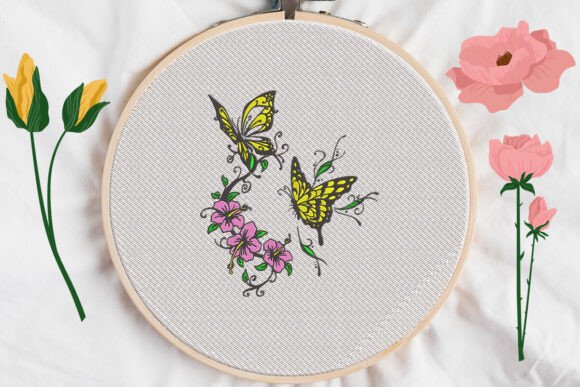
The title alone suggests a specific aesthetic direction. The phrase "Delicate Insect" immediately signals elegance, precision, and a connection to nature. When I first loaded this embroidery file into my digitizing software, the initial impression was one of refined whimsy. It does not scream for attention with bold, heavy blocks of color; instead, it whispers with intricate detail. This makes it an excellent choice for businesses that want to project a premium, thoughtful, and organic brand identity.
For a local florist, an artisanal bakery, or a boutique selling handmade goods, this design bridges the gap between rustic charm and modern sophistication. It feels professional enough for a uniform but playful enough for a customer gift. The "intricately detailed" nature mentioned in the description suggests that the design relies on fine stitching to capture the texture of wings or antennae, which can elevate the perceived value of your finished product. However, this delicacy also dictates where and how it should be used.
Real-World Business Applications
So, where does the Delicate Insect Embroidery Design shine in a commercial setting? Having tested various designs for client projects, I have identified several high-value use cases for this specific file.
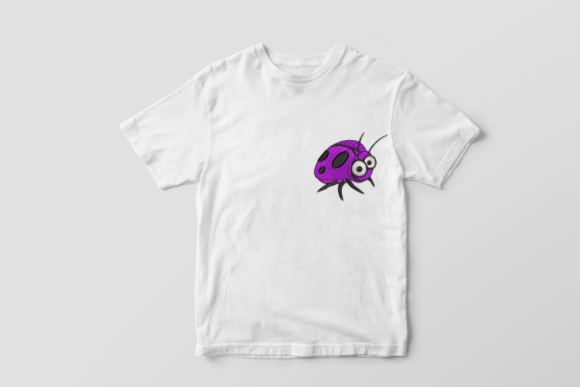
- Embroidered Patches: This design is ideal for creating iron-on or sewn-on patches. Whether attached to denim jackets, canvas tote bags, or backpacks, the intricate details hold up well as a standalone focal point. A tiny insect patch on the chest of a work shirt adds a unique signature mark that customers love.
- Apron Embroidery: For coffee shops, bakeries, or culinary studios, placing this design on the pocket of a white or neutral apron creates a subtle yet memorable branding element. It suggests care and attention to detail, qualities that resonate with food service customers.
- Cap Embroidery: While delicate designs can sometimes get lost on curved surfaces, a small version of this insect works beautifully on the side panel of a cap or as a small accent near the brim. It offers a softer alternative to traditional logos.
- Tote Bag Design: Canvas is a forgiving fabric for fine stitching. Using this tote bag design allows the thread colors to pop against the natural weave, making it a perfect accessory for craft fairs, farmers markets, or retail checkout counters.
- Product Packaging Accents: Beyond apparel, this design asset can be embroidered onto hang tags, clothing labels, or even small pouches included with purchases. It transforms standard packaging into a tactile experience.
Staff Uniforms and Corporate Identity
One often overlooked application is staff uniforms. For creative studios or eco-friendly brands, a full logo might feel too corporate. A single, delicate insect embroidery motif on a breast pocket can serve as a subtle identifier. It humanizes the brand and makes employees look approachable while maintaining a clean, professional appearance. It supports brand identity by reinforcing themes of nature, growth, or precision without being overwhelming.
Strategic Considerations and Limitations
No design is universal, and as a designer, I must advise caution regarding where this file performs best. The very qualities that make it beautiful—its delicacy and detail—are also its potential weaknesses in certain contexts.
Size Constraints: If you plan to reduce this design to a very small size, such as a 1-inch patch or a tiny logo on a pen, you risk losing the intricate details. The insect may become a blurry blob rather than a recognizable creature. Always ensure your final placement allows enough space for the stitch definition to remain clear.
Fabric Texture and Color: This design requires careful consideration of fabric texture. On highly textured fabrics like thick burlap or looped terry cloth, the fine stitches may get lost or pull unevenly. Similarly, if you are embroidering on dark uniforms, you will need to choose light-colored threads or use a dense underlay to prevent show-through. Testing on the actual material is non-negotiable.
Stitch Density and Durability: Intricate designs often have higher stitch densities. While this looks premium, it can make the fabric stiff. For items that require frequent washing, such as staff aprons or children’s clothing, excessive density can lead to puckering over time. Ensure the stabilizer used matches the fabric weight to maintain structural integrity.
Impact on Brand Trust and Customer Engagement
In the era of handmade products and Etsy branding, customers are increasingly savvy. They can tell the difference between a mass-produced print and a quality commercial embroidery piece. A well-executed Delicate Insect Embroidery Design signals that your business cares about quality. It builds customer trust through visual consistency and craftsmanship.
When a customer sees a finely stitched insect on a tote bag or a cap, they perceive higher value. This can justify premium pricing and encourage repeat purchases. Furthermore, unique design choices like this foster emotional connections. People are drawn to nature motifs, and a well-done insect design can spark conversation, enhancing buyer engagement at events or in-store.
Practical Designer Notes for Production
Before you commit to a large production run, follow these essential steps to ensure success:
- Test in Black and White: Convert the design to monochrome to check contrast and spacing. If it reads clearly in black and white, it will likely read well in color.
- Check Hoop Size: Confirm that the hoop size required fits your available equipment and the dimensions of your garment. Some delicate designs require larger hoops to maintain tension.
- Thread Color Contrast: Select thread colors that provide sufficient contrast against your fabric. Light threads on light fabric will disappear; dark threads on dark fabric may lack definition.
- Use Proper Stabilizer: The choice of stabilizer (cut-away vs. tear-away) is critical for delicate designs. A stable foundation prevents distortion during stitching.
- Create a Mockup: Generate a printable mockup or stitch out a sample on the actual fabric. Inspect the spacing between elements and ensure no stitches are too close together, which could cause thread breaks.
- Verify Licensing: Always confirm commercial licensing terms before using the file for sale. Ensure you are permitted to sell physical goods made from the design.
The Delicate Insect Embroidery Design is a versatile tool for any digital embroidery file library looking to expand into nature-themed merchandise. By understanding its strengths and limitations, you can leverage its charm to create high-quality, branded products that stand out in a crowded market. Whether you are an Etsy seller or a large-scale decorator, this design offers a sophisticated way to connect with your audience through the art of embroidery.