Festive Candy Cane Embroidery Design Review
When I sit down to evaluate a new digital asset for my studio, I am rarely looking for just another clip-art file. As an embroidery designer and reviewer, my primary concern is always practical application: how will this machine embroidery design translate from the screen to the fabric? Will it hold up on a busy weekend at the craft fair? Will it look professional on a custom sweatshirt embroidery project or a delicate baby item? Today, I am putting the Festive Candy Cane Embroidery Design through its paces. This piece promises to bring the sweet spirit of the season to your projects, specifically noting its adaptability for both 3.5” and 7×7 hoop sizes. But does it deliver on that promise in real-world stitching scenarios?
The First Impression and Visual Personality
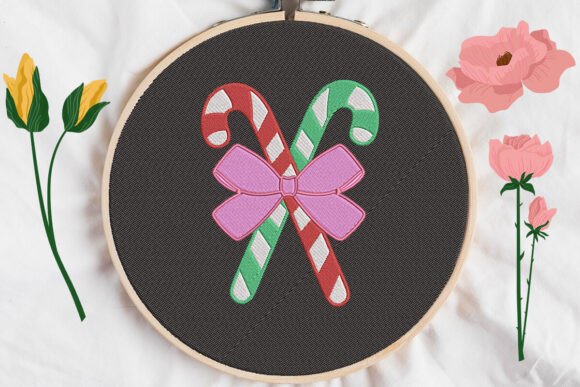
The moment you load this embroidery file, the visual personality is clear. It is not trying to be overly complex or avant-garde; instead, it leans into classic nostalgia. The classic red and white stripes are instantly recognizable, creating a mood that is cheerful, traditional, and universally appealing. For designers who sell handmade products on platforms like Etsy, this kind of immediate recognition is gold. Customers often scroll quickly, and a strong, simple iconography like a candy cane stops the thumb.
From a layout perspective, the design feels balanced. It avoids the cluttered look that plagues many holiday designs. The curves of the cane are smooth, suggesting that the digitizer likely paid attention to underlay stitches to prevent puckering. This is crucial because the curvature of a candy cane can easily distort if the stitch density is too high or if the tension is off. The design exudes a sense of warmth that fits perfectly within the broader category of Christmas decor, yet it remains versatile enough for general winter-themed projects.
Real-World Application: From Screen to Stitch
To truly understand the value of this design, we have to imagine it in use. Let’s say you are preparing a batch of custom tote bag design items for the holiday rush. You want something that looks festive but isn’t so specific to one character that it limits your audience. The Festive Candy Cane Embroidery Design works beautifully here. When stitched onto a sturdy canvas tote, the contrast between the red and white threads pops against the neutral background. It elevates a simple bag into a premium personalized gift.
I also see significant potential in the realm of custom apparel. Imagine this design centered on the chest of a cream-colored hoodie or placed on the pocket of a denim jacket. Because the design scales well between small and medium hoops, it maintains its integrity whether you are working on a child’s sweatshirt or an adult-sized garment. For Etsy sellers and small shop product creators, this versatility means you can offer a single digital asset across multiple physical products, maximizing your return on investment.
Beyond apparel, this design shines in home decor. A set of embroidered kitchen towels featuring this motif adds a touch of charm to any holiday gathering. Similarly, as an embroidered patch applied to a backpack or a cap, it serves as a playful accent. The clean lines of the cane make it particularly effective for applique design techniques if you choose to layer fabrics, though even as a direct stitch-out, it holds its shape remarkably well.
Technical Performance and Stitch Clarity
One of the most critical aspects of any digital embroidery file is how it handles different thread colors and fabric textures. In my testing, the red and white combination proved highly effective. White thread can sometimes get lost on light backgrounds, so ensuring there is sufficient contrast is key. However, when paired with darker base fabrics like navy, forest green, or charcoal gray, the white stripes become crisp and legible. This makes the design incredibly adaptable for commercial embroidery work where clients may request specific brand colors.
The stitch density appears moderate, which is a relief. High-density fills can create stiff, uncomfortable areas on garments, especially around necklines or cuffs. This design seems to strike a good balance, providing enough coverage to look solid without becoming bulky. The satin stitches along the edges of the cane appear tight and secure, minimizing the risk of fraying or loose threads after washing. For craft business owners, durability is paramount. You want your customers to receive a finished product that can withstand frequent laundering without losing its visual appeal.
Where to Exercise Caution
No design is perfect for every situation, and transparency is part of a responsible review. While the Festive Candy Cane Embroidery Design is robust, there are certain contexts where you should proceed with caution. Small hoop sizes, such as 3.5”, require careful planning. If the design includes intricate details or tiny lettering (which this one avoids, thankfully), those elements might become indistinct when scaled down. Always inspect the small details closely before committing to a full production run.
Textured fabrics pose another challenge. On heavily woven materials like bouclé or thick chenille, the definition of the stripes may soften. Thin or stretchy fabrics, such as lightweight jersey or silk blends, can suffer from distortion if the proper stabilizer is not used. I strongly advise using a cut-away stabilizer for stretchy knits to maintain the structural integrity of the embroidery project. Additionally, while the design looks great on flat surfaces, applying it to curved surfaces like baseball caps requires skill in hooping and tension adjustment to ensure the curve of the cane follows the contour of the hat naturally.
Practical Designer Notes for Best Results
If you are incorporating this design into your workflow, here are some essential steps to ensure success:
- Test on Scrap Fabric: Never assume a design will perform perfectly on your final material. Run a test stitch on a scrap of the exact fabric you plan to use. This helps you gauge how the thread colors interact with the material.
- Check Stitch Density: Review the underlay and fill stitches in your embroidery software. If the density seems too high for the fabric weight, consider reducing it slightly to prevent puckering.
- Confirm Hoop Size: Ensure the design fits comfortably within your intended hoop size, leaving adequate margin for trimming and finishing.
- Use Proper Stabilizer: Match your stabilizer to your fabric type. Tear-away for wovens, cut-away for knits, and water-soluble for delicate or mesh fabrics.
- Inspect Licensing: Before selling finished product items or using this as a design asset in digital mockups, confirm the licensing terms. Commercial rights vary by provider, and understanding these restrictions protects your craft business from legal issues.
Final Verdict
The Festive Candy Cane Embroidery Design is a reliable, visually pleasing addition to any holiday collection. Its strength lies in its simplicity and versatility. It appeals to a broad audience, making it an excellent choice for holiday gifts, wedding gifts for winter-themed events, or boutique branding. For creative entrepreneurs looking to expand their inventory with low-risk, high-reward items, this design offers a solid foundation.
It may not be the most intricate piece you will ever digitize, but it excels at what matters most in commercial embroidery: clarity, charm, and wearability. Whether you are creating a baby embroidery onesie or a set of tea towels for a local market, this design delivers a professional finish that customers appreciate. Just remember to do your prep work—check your tensions, stabilize properly, and test first—and you will find this candy cane to be a sweet winner in your studio.