Otomi Embroidery Design Mexican Design Review
As an embroidery designer who spends hours tweaking stitch directions and testing thread tensions, I am always on the lookout for designs that offer more than just a simple pattern. When I came across the Otomi Embroidery Design Mexican Design on Creative Fabrica, it immediately caught my eye. The vibrant aesthetic is distinct, but the real question for any professional or serious hobbyist is: does this design translate well from screen to fabric? Can it hold up in a commercial setting? Is it versatile enough for the diverse range of products we push out for Etsy shops and craft fairs?
I recently put this digital embroidery file through its paces to see how it performs in real-world scenarios. Below is my honest evaluation of how this Mexico-inspired motif fits into your workflow, from initial digitizing impressions to final product value.
First Impressions and Visual Appeal
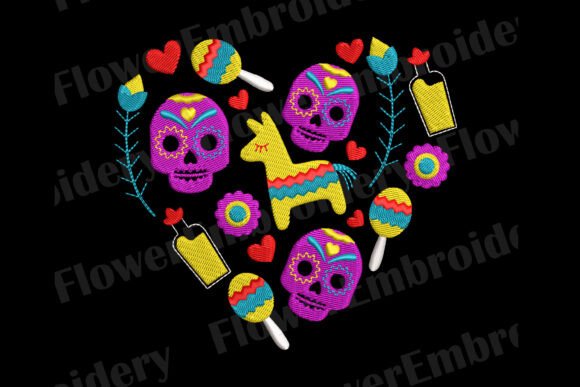
The moment you open the Otomi Embroidery Design Mexican Design, the visual mood is striking. Otomi art is known for its bold geometry and organic shapes, often depicting nature, animals, and human figures in a stylized manner. This design captures that essence beautifully. It has a strong decorative appeal that feels both traditional and fresh. The detail level is impressive for a machine embroidery design, offering enough complexity to look handmade and high-end without being so dense that it becomes unworkable.
For those looking to add personality to their custom apparel or home decor, this design brings a specific cultural flair that stands out. It is not just a generic floral; it has stitching personality. The interplay of shapes suggests a mix of fill stitches and potentially some satin elements, which gives the finished piece texture and depth. This makes it an excellent candidate for items where visual impact is key, such as a statement tote bag or a nursery pillow cover.
Project Versatility and Real-World Application
One of the strongest selling points of this embroidery file is its adaptability. In my experience, the most valuable assets are those that can be used across multiple product lines. Here is how I see this design fitting into various categories:
- Apparel and Accessories: The scale of the Otomi Embroidery Design Mexican Design works well on chest placements for sweatshirt embroidery or as a central graphic on t-shirts. It also translates beautifully to a tote bag design, where the bright colors pop against canvas or cotton backgrounds.
- Home Decor: This is a natural fit for kitchen towels and aprons. The geometric nature of the pattern holds up well to frequent washing, provided the stitch density is appropriate. It also adds a warm, artisanal touch to pillow covers and bedsheets.
- Baby Items: For handmade gifts like baby blankets or bibs, the playful yet structured design is charming. It creates a unique personalized gift option that differentiates your shop from competitors offering standard monograms.
- Commercial Merchandise: If you sell at craft fairs or run a boutique, this design serves as a strong commercial embroidery asset. It appeals to customers looking for something with cultural significance or artistic merit, boosting buyer trust in the quality of your work.
Technical Performance and Practical Considerations
While the visual potential is high, practical execution is where many designs fall short. When evaluating the Otomi Embroidery Design Mexican Design, several technical factors come into play that affect the final result.
Hoop Size and Stitch Density
Before committing to production, you must check the hoop size requirements. Designs with intricate geometric patterns can sometimes require larger hoops to maintain tension. If the design is too large for a standard 4x4 or 5x7 hoop, it may require re-digitizing or multi-hooping, which increases labor time. Additionally, pay close attention to the stitch density. Otomi patterns often feature solid blocks of color. If the fill stitch density is too high, it can make the fabric stiff and difficult to handle, especially on delicate fabrics like silk or thin cotton blends. Conversely, if the density is too low, the backing material might show through, ruining the finished product appearance.
Fabric Compatibility
This design shines on stable, woven fabrics. However, caution is needed when using it on stretchy materials like jersey knits for custom apparel. Without proper stabilization, the geometric lines may warp or pucker. Similarly, when embroidering on dark fabrics, ensure there is sufficient contrast between the thread colors and the base material. A light-colored Otomi design on black fabric will look flat unless you use a heavy cut-away stabilizer and perhaps a top stabilizer to keep the stitches crisp.
Small Details and Curved Surfaces
If you plan to use this for an embroidered patch or caps, inspect the smaller details closely. Tiny running stitches or small satin areas can become muddy or lose definition on curved surfaces like baseball caps. It is advisable to test these applications on scrap pieces of the actual cap material before producing a batch for sale.
Enhancing Product Value and Brand Consistency
Using a distinctive design like Otomi Embroidery Design Mexican Design can significantly elevate your brand. In a market saturated with generic clipart-style embroidery, offering culturally rich, artistically coherent designs helps establish brand consistency. Customers associate unique aesthetics with higher quality and care.
Furthermore, this design is highly photogenic. For Etsy sellers and digital product sellers, creating printable mockups featuring this design can drive sales even before the physical item is made. The vibrant colors and clear lines render well in photos, enhancing product photography and increasing click-through rates. It also boosts customer engagement because buyers appreciate the story and artistry behind the motif.
Essential Pre-Production Checklist
To ensure success with this machine embroidery design, follow these practical steps:
- Test on Scrap Fabric: Always run a test stitch-out on the same type of fabric you intend to use. This reveals issues with tension, puckering, or color blending.
- Check Thread Colors: Review the suggested thread colors. Ensure they match your available inventory and create the desired contrast against your chosen fabric.
- Inspect Small Details: Zoom in on the digitized file to identify any tiny elements that might not stitch clearly. You may need to adjust these manually or simplify them for better results.
- Confirm Licensing: Before listing any handmade product for sale, carefully review the licensing terms on the Creative Fabrica product page. Understand whether you have commercial rights for unlimited items or if there are restrictions on print-on-demand services.
- Use Proper Stabilizer: Match your stabilizer to the fabric weight. Heavy cut-away stabilizers are generally best for dense designs like this one to prevent distortion during washing.
Final Verdict
The Otomi Embroidery Design Mexican Design is a robust addition to any design assets library. Its blend of cultural artistry and technical feasibility makes it suitable for a wide array of projects, from personal gifts to mass-market apparel decorators needs. While it requires careful attention to stitch density and fabric choice, the payoff in terms of aesthetic appeal and product differentiation is significant.
For anyone seeking to expand their catalog with unique, high-quality embroidery files, this design delivers. It respects the viewer’s eye with its balanced composition and offers the versatility needed to thrive in today’s competitive handmade marketplace. Just remember to do your homework on the technical specs and licensing to ensure a smooth production process.