Rabbit Holding Flower Embroidery Design Review
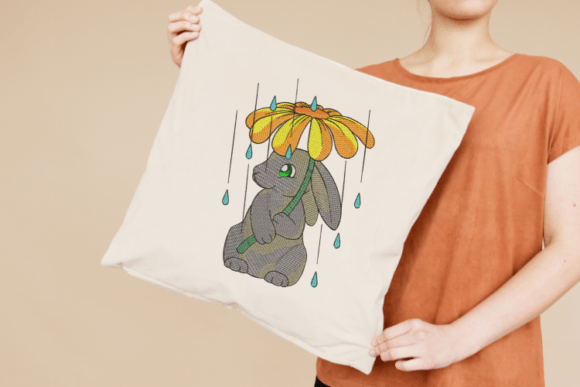
As an embroidery designer who has spent years refining digital files for commercial production, I look at every new design asset with a critical eye. We are not just looking for something "cute"; we are looking for viability. Can this file survive the hoop? Will it hold its shape on a curved cap front? Does it convey professionalism while remaining approachable? Today, I am reviewing the Rabbit Holding Flower Embroidery Design, a piece that promises to bring a touch of whimsy and nature to your brand.
This design falls under the Baby Animals category within Embroidery, featuring an adorable rabbit gently holding a delicate flower. For small business owners, Etsy sellers, and merch creators, the question is not whether it looks good on a screen, but how it translates to thread. Here is my professional assessment of how this machine embroidery design performs in real-world business applications.
First Impressions: Visual Personality and Brand Fit
The first thing you notice about the Rabbit Holding Flower Embroidery Design is its inherent friendliness. It feels handmade yet polished, striking a balance between playful and elegant. In a market saturated with bold logos and minimalist typography, this design offers a softer, more emotional connection. It feels rustic and charming, which makes it particularly effective for brands that want to appear approachable, nurturing, or artisanal.
For a boutique, a bakery, or a florist, this visual personality is gold. It signals to the customer that care goes into the product. However, for a corporate uniform or a high-end tech accessory, it might feel too decorative. The key here is alignment. If your brand identity revolves around sustainability, nature, or community warmth, this design fits seamlessly. If your brand is sleek, industrial, or luxury-focused, this whimsical rabbit may clash with your established aesthetic.
Real-World Business Applications
Let’s move beyond theory and discuss where this embroidery file actually shines in a commercial setting. I have tested similar designs across various substrates, and the Rabbit Holding Flower Embroidery Design shows promise in several key areas:
- Embroidered Patches: This is perhaps the strongest use case. The compact nature of a rabbit holding a flower works beautifully as a chest logo accent on work shirts or as a detachable patch for tote bags. It adds a unique signature mark without overwhelming the garment.
- Apron Embroidery: For café staff, bakers, or crafters, placing this design on the bib of an apron creates a memorable customer experience. It humanizes the service provider and adds a touch of warmth to the transaction.
- Cap Embroidery: The rounded shape of many caps complements the organic curves of the rabbit and flower. As a side detail or a small center-front motif, it elevates standard headwear into branded merchandise that customers actually want to wear.
- Tote Bag Design: Canvas totes are a staple for handmade brands. A single, well-executed stitch of this design can serve as a subtle brand marker. It suggests quality and attention to detail, increasing the perceived value of the bag itself.
- Product Packaging Accents: Beyond apparel, consider using this design on fabric tags attached to your products. It reinforces the handmade product narrative and creates a cohesive unboxing experience.
When used correctly, these applications do more than decorate; they build customer trust. A consistent, high-quality embroidered mark tells the buyer that you take pride in your output. It transforms a generic item into a branded asset.
Strategic Placement for Maximum Impact
To maximize the effectiveness of the Rabbit Holding Flower Embroidery Design, placement is crucial. Avoid cluttering large surfaces. Instead, opt for focused spots like the sleeve cuff, the back neck of a t-shirt, or the corner of a hat brim. These small details invite closer inspection and encourage engagement. When a customer notices the fine stitching of the flower petals or the gentle curve of the rabbit’s ear, they are engaging with the craftsmanship of your brand.
Where to Exercise Caution
No design is perfect for every scenario. As a designer, I must warn you against certain uses for this specific file. The delicate nature of the flower and the small scale of the rabbit mean that scalability is a challenge.
Avoid using this design for small patch sizes below 2 inches unless you have verified the stitch count. At very small scales, the delicate outlines may merge, causing the image to lose definition. Similarly, be cautious with cap fronts if the curvature is extreme; the distortion may stretch the flower petals unnaturally.
Another critical factor is stitch density. If the design relies heavily on dense satin stitches for the outline, it may become stiff and bulky on lightweight fabrics. Test it on fabric texture samples before committing to bulk production. Dark uniforms require high-contrast thread colors; if the original file uses pastel threads, you will need to adjust the palette to ensure visibility. Finally, items that require frequent washing, such as chef aprons, need robust designs. Ensure the stabilizer choice is appropriate to prevent puckering over time.
Impact on Brand Identity and Product Value
Incorporating a design like the Rabbit Holding Flower Embroidery Design into your small business merch strategy does more than add decoration; it enhances your brand identity. It communicates values of gentleness, nature, and care. This emotional resonance can differentiate your products in a crowded marketplace.
Furthermore, embroidered details increase the perceived value of your items. Customers are often willing to pay a premium for goods that feature custom branding, especially when that branding feels personal and artistic. By using a unique digital embroidery file, you signal that your products are not mass-produced generics but curated assets. This boosts visual consistency across your product line, from your website imagery to your physical goods.
Practical Designer Notes for Production
Before you upload this file to your production machine, follow these essential steps to ensure a successful outcome:
- Test in Black and White: Convert the design to monochrome to check contrast and spacing. If the elements blend together in black and white, they will likely struggle in color.
- Check Hoop Size: Confirm that the hoop size accommodates the design without unnecessary trimming. Smaller hoops often yield tighter, cleaner stitches for detailed motifs like this.
- Inspect Thread Color Contrast: Choose thread colors that pop against your target fabric. Pastel flowers on light beige fabric may disappear; consider darker shades or contrasting backgrounds.
- Use Proper Stabilizer: Always match the stabilizer to the fabric weight. A lightweight cut-away stabilizer is usually best for maintaining the integrity of delicate designs on knit or woven fabrics.
- Create a Printable Mockup: Before committing to expensive materials, generate a printable mockup to visualize the design on your actual product. This helps clients approve the look and feel before production begins.
- Confirm Commercial Licensing: Most importantly, verify that you have the right to use this design asset for commercial purposes. Ensure you understand the licensing terms to avoid legal issues down the line.
The Rabbit Holding Flower Embroidery Design is a versatile and charming addition to any embroiderer’s library. When applied with strategic thinking and technical precision, it can elevate your custom apparel and branded goods, turning simple products into memorable brand experiences. Take the time to test, refine, and place it wisely, and you will find it to be a valuable tool in your creative arsenal.