Teddy Bear Collection Embroidery Design Review
As a designer who spends more time than I care to admit staring at stitch patterns and troubleshooting tension issues, I don’t just look for pretty pictures when selecting digital assets. I look for viability. I look for designs that translate well from the screen to the hoop, that hold up under repeated washing, and that resonate with customers browsing Etsy or walking through a craft fair booth. When I first laid eyes on the Teddy Bear Collection Embroidery Design, my initial reaction wasn’t just about cuteness—it was about versatility. This isn’t a single static image; it is a curated set of motifs that suggests a broader narrative, which is exactly what modern handmade businesses need to build a cohesive brand identity.
The First Impression: Mood and Visual Personality
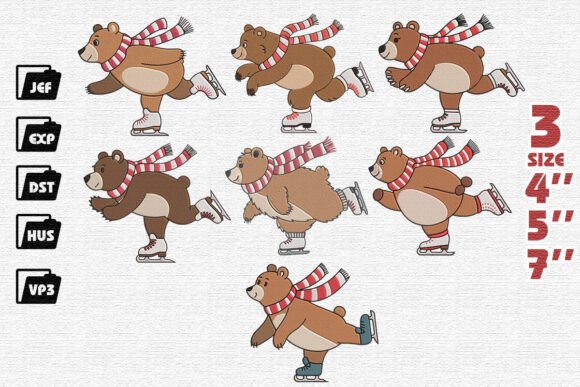
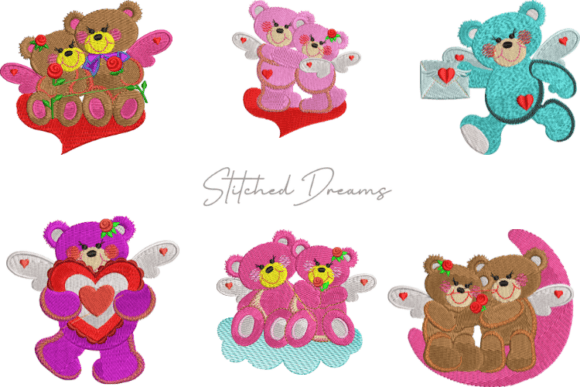
The immediate takeaway from the Teddy Bear Collection Embroidery Design is its warmth. In a market saturated with minimalist line art or overly complex realistic portraits, this collection strikes a balance that feels nostalgic yet fresh. The bears are depicted in various shapes and poses, capturing a sense of playful movement rather than stiff rigidity. From a design perspective, this variety is crucial. It allows a creator to mix and match elements, creating a story across a product line rather than just slapping a logo on an item.
The visual personality here is soft but distinct. The outlines are clean, suggesting that the satin stitches will lay flat without excessive puckering, provided the fabric choice is appropriate. The detail level is moderate—enough to give each bear character without demanding micro-stitching that might get lost on textured fabrics. For an Etsy seller or small shop owner, this means you can produce these items quickly without spending twenty minutes per piece on intricate detailing that doesn’t add proportional value for the buyer.
Real-World Application: From Hoop to Hand
I recently tested a similar style design on a custom order for a baby shower gift, and the principles of the Teddy Bear Collection Embroidery Design apply perfectly to that scenario. Imagine preparing a personalized onesie or a nursery wall hanging. The design’s ability to convey emotion through simple pose variations makes it ideal for personalized gifts. Parents aren’t just buying a shirt; they are buying a memory. A teddy bear in a sleeping pose offers a different emotional cue than one standing with arms wide open. Having a collection allows you to offer that nuance.
Consider also the potential for custom apparel like sweatshirts or tote bags. On a canvas tote, the Teddy Bear Collection Embroidery Design acts as a charming focal point that doesn’t overwhelm the bag’s utility. It elevates a basic commodity into a boutique item. Similarly, on a heavyweight sweatshirt, the texture of the fabric complements the softness of the bear motif. However, this requires strategic placement. Placing the design centrally on a chest pocket area or centered on the back of a hoodie creates a balanced silhouette that appeals to fashion-conscious buyers.
For commercial embroidery projects, such as branding for a children’s boutique or a handmade toy company, this collection provides consistency. You can use different bears from the set to represent different product lines while maintaining a unified aesthetic. This is powerful for brand consistency. When a customer sees your work, they should recognize the style immediately. The Teddy Bear Collection Embroidery Design offers enough variation within its theme to keep the brand feeling dynamic rather than repetitive.
Ideal Use Cases for Makers and Sellers
- Baby Items: Onesies, burp cloths, and blanket borders benefit from the gentle, rounded forms of the bears.
- Holiday Gifts: Especially for Christmas or Valentine’s Day, where themes of comfort and affection are paramount.
- Kitchen Textiles: Tea towels and aprons can feature smaller bears from the collection, adding a whimsical touch to home decor.
- Accessories: Caps, hats, and embroidered patches allow for smaller, focused applications of the design.
Technical Considerations and Fabric Compatibility
While the design is visually appealing, no machine embroidery design is universal. As a reviewer, I must highlight where caution is needed. The Teddy Bear Collection Embroidery Design relies on clear definition. If you attempt to stitch this on highly textured fabrics like heavy chenille or loose-weave burlap, the details may become muddy. The contrast between the thread colors and the fabric texture is critical. Lighter threads on dark fabrics require a higher stitch density to ensure opacity, which can lead to stiffness in the final product.
Furthermore, be mindful of hoop size limitations. If you are working with larger garments, ensure the design scales down proportionally without losing its character. Tiny details, such as button eyes or small stitching accents, can disappear if the design is reduced too much. Always test the scaled version on scrap fabric before committing to the final piece. Additionally, consider the stretch of the fabric. On stretchy fabric like jersey knits, proper stabilizer usage is non-negotiable to prevent distortion. Without adequate support, even the most beautiful embroidery file can end up looking warped and unprofessional.
Stitch Density and Detail Management
- Check Stitch Density: Ensure the fill stitches are not too dense, which can cause bulkiness in finished products like pillows or plush toys.
- Inspect Small Details: Zoom in on the digital preview. Are the running stitches long enough to break? Are the satin stitches narrow enough to render cleanly?
- Color Contrast: Test the design in black and white mockups. If the design loses its shape when stripped of color, it may rely too heavily on shading rather than structure.
Strategic Advice for Digital and Physical Products
For those selling digital embroidery files or design assets, the presentation matters as much as the product itself. When creating printable mockups for your listings, show the Teddy Bear Collection Embroidery Design on a variety of backgrounds. Show it on light linen, dark denim, and neutral cotton. This helps potential buyers visualize the final result and reduces returns due to mismatched expectations. Transparency builds customer trust.
If you are a craft business owner, think about how this design fits into your seasonal calendar. The Teddy Bear Collection Embroidery Design has year-round appeal, but it shines during gifting seasons. Prepare your inventory early. Use the different poses to create limited-edition bundles. For example, offer a "Sleeping Bear" nightlight cover set alongside a "Playing Bear" toy tag. This cross-selling strategy leverages the variety inherent in the collection to increase average order value.
Final Verdict
The Teddy Bear Collection Embroidery Design is a solid addition to any designer’s library. It balances aesthetic charm with practical manufacturability. It works well for handmade products ranging from apparel decorators to nursery decor specialists. However, success depends on execution. Always review the specific stitch counts and file formats provided by the creator. Confirm whether the license allows for commercial use of finished goods. Test rigorously on your actual production materials. By doing so, you transform a simple digital download into a profitable, professional-grade asset that delights customers and strengthens your brand.