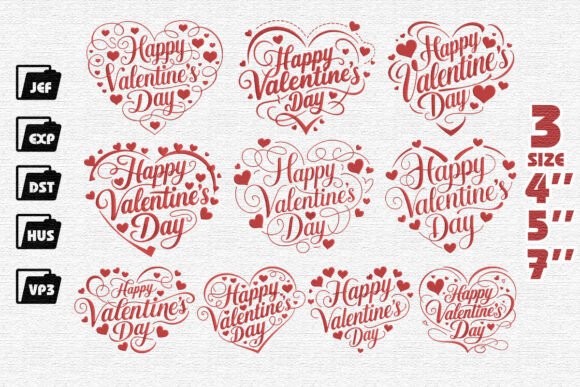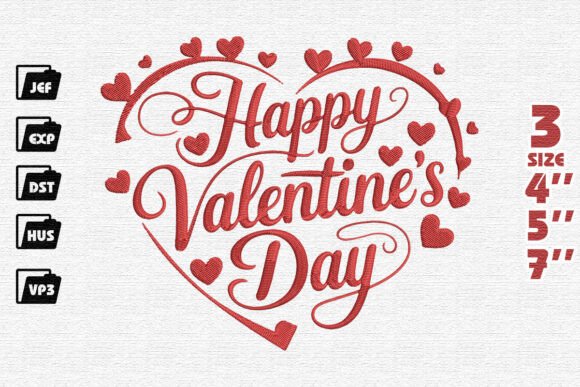
Valentine’s Heart Pattern Embroidery Review
As an embroidery designer who spends hours tweaking stitch paths and testing thread tensions, I don’t just look at a design file; I look at the finished product. When Valentine’s Heart Pattern Embroidery landed in my inbox, I didn’t just see a digital file. I saw potential inventory for my own boutique shop and ideas for high-ticket custom orders. Valentine’s Day is one of the most lucrative seasons for handmade goods, but it is also crowded. To stand out, you need designs that balance romance with practicality. This review breaks down how this specific machine embroidery design performs when moved from the screen to the hoop.
First Impressions: Mood and Aesthetic Appeal
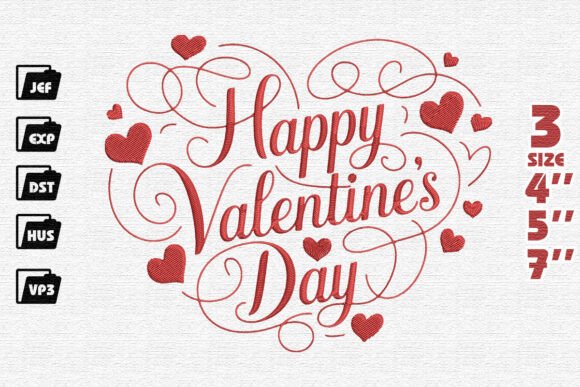
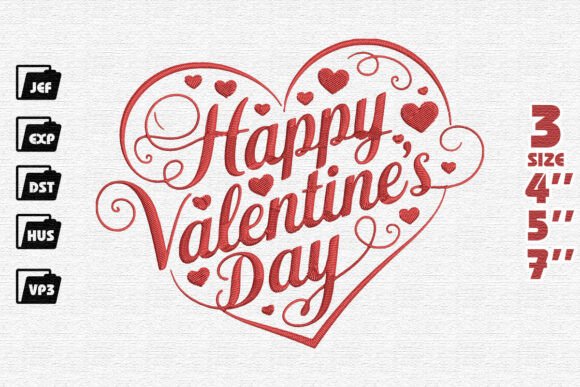
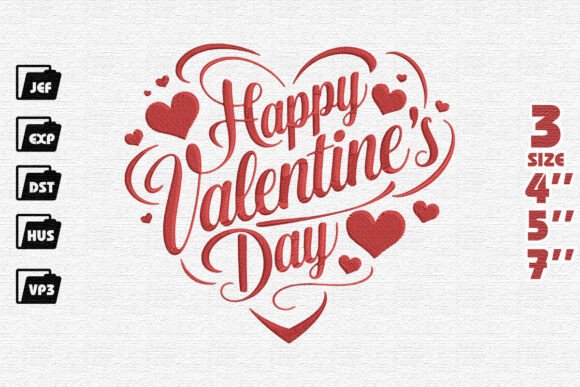
The first thing that strikes you about Valentine’s Heart Pattern Embroidery is its approachable charm. It isn’t overly ornate or cluttered, which is a common pitfall in holiday-themed digitizing. Instead, it feels clean, modern, and timeless. The emotional appeal is immediate—it screams "romantic" without being cliché. For an Etsy seller or a small business owner, this distinction is crucial. Customers are looking for items that feel personal and heartfelt, not mass-produced. The design carries a sweet, playful energy that works equally well for a child’s nursery item or a sophisticated wedding keepsake.
I tested the visual weight of the design against typical fabric textures. The lines hold their shape well, suggesting a good balance of satin stitches and fill areas. It doesn’t look heavy on light fabrics, nor does it get lost in the weave of cotton blends. This versatility makes it a strong candidate for a wide range of products, from delicate lingerie tags to sturdy kitchen towels. The aesthetic bridges the gap between classic Valentine’s imagery and contemporary minimalism, making it relevant for years to come, not just for one February.
Product Applications and Giftability
One of the biggest challenges in the handmade market is determining which products will sell. Valentine’s Heart Pattern Embroidery is incredibly versatile. Here is how I envision it performing across different categories:
- Baby Embroidery and Nursery Decor: Pairing this design with soft muslin or flannel creates an instant bestseller. It works beautifully on baby blankets, hooded towels, and crib sheets. Parents love gifts that mark milestones, and a heart pattern is universally loved. The design’s gentle curves make it safe and appealing for baby products.
- Kitchen and Home Goods: An embroidered towel is a staple gift item. Using this design on a linen tea towel or a thick cotton dish towel adds a touch of elegance to the kitchen. It also translates well to pillow covers, adding a pop of color to living room decor. The design’s scalability means it can be centered on a large apron or repeated as a pattern along the hem of a table runner.
- Wedding Gifts and Keepsakes: For couples, this design offers a subtle way to celebrate love. Imagine it stitched onto a monogrammed tote bag for the honeymoon or a set of personalized napkins for the newlyweds. It serves as a meaningful wedding gift that guests can purchase off-the-shelf or customize.
- Fashion and Accessories: While hearts are common, the execution here allows for unique applications. Think denim jackets, canvas tote bags, or even headbands. The design adds a handmade quality that elevates a simple accessory into a fashion statement.
The "giftability" factor is high because the design is gender-neutral enough to appeal to all recipients while still feeling special. It enhances the perceived value of the finished product. A plain tote bag becomes a premium item when adorned with precise, professional-looking embroidery. For small shop product creators, this means higher profit margins and lower return rates because the customer expectation is met by the quality of the design.
Practical Embroidery Notes and Technical Considerations
Before you start producing these for your store, there are technical realities to consider. As a professional, I always advise testing before selling. Here are the key factors to monitor when working with Valentine’s Heart Pattern Embroidery:
- Stabilizer Selection: The type of stabilizer you use will dictate the final look. For stretchy fabrics like baby clothes or jersey, a cut-away stabilizer is essential to prevent puckering. For woven fabrics like towels or quilting cotton, a tear-away may suffice, but a wash-away backing can provide a cleaner finish if the design has exposed edges.
- Hoop Size and Placement: Confirm the recommended hoop size for the design. If you are embroidering on a curved surface like a hat brim or a sleeve, ensure the design fits within the printable mockup area without distorting. Always test the placement on your actual product before committing to the final run.
- Thread Color Contrast: The design relies on contrast to show detail. Dark threads on dark fabric will disappear, while light threads on white fabric might lack definition. I recommend using a medium-weight polyester thread for durability and sheen. Test various thread colors to see which ones pop against your chosen fabric palette.
- Stitch Density and Fabric Texture: Check the stitch density of the design. High-density fills can make thin fabrics stiff and uncomfortable, especially for baby items. If the fabric is textured, such as a boucle wool or a rough burlap, fine details in the design may get lost. In such cases, simplifying the design or choosing a smoother fabric is advisable.
- Commercial Licensing: Before selling any finished products, verify the commercial licensing terms of the digital embroidery file. Some designers allow unlimited sales, while others require a per-unit fee. Understanding these terms protects your business from legal issues.
Where to Use Carefully
While this design is versatile, it is not suitable for every application. Avoid using it on very small lettering areas where the heart motif might become indistinct. Delicate details can be lost on thick terry cloth towels unless you adjust the underlay stitches. Be cautious with stretchy baby clothes if the design lacks sufficient flexibility in its stitch pattern, as it could restrict movement or cause seam distortion. Additionally, dark fabrics may require a dense underlay to prevent the fabric color from showing through the lighter threads, which can increase stitching time and wear on your machine.
Conclusion for Crafters and Sellers
Valentine’s Heart Pattern Embroidery is a solid addition to any digitizer’s library, particularly for those focused on seasonal sales and personalized gifts. Its charm, combined with its technical reliability, makes it a low-risk, high-reward choice for custom embroidery businesses. Whether you are creating personalized gift bundles for Etsy or expanding your craft fair inventory, this design offers the emotional connection that buyers seek. By paying attention to fabric choices, stabilizers, and thread contrasts, you can transform this simple heart pattern into a stunning handmade product that customers will cherish. Remember to always test on scrap fabric and compare light and dark fabric mockups to ensure your final output meets the high standards your brand promises.